
Featured Story
Recognizing Service, Welcoming New Leadership
The Hughes Center is welcoming a new member to its Board of Directors while recognizing two departing members for the time, expertise and leadership they have given to the Center.
Beth Hill
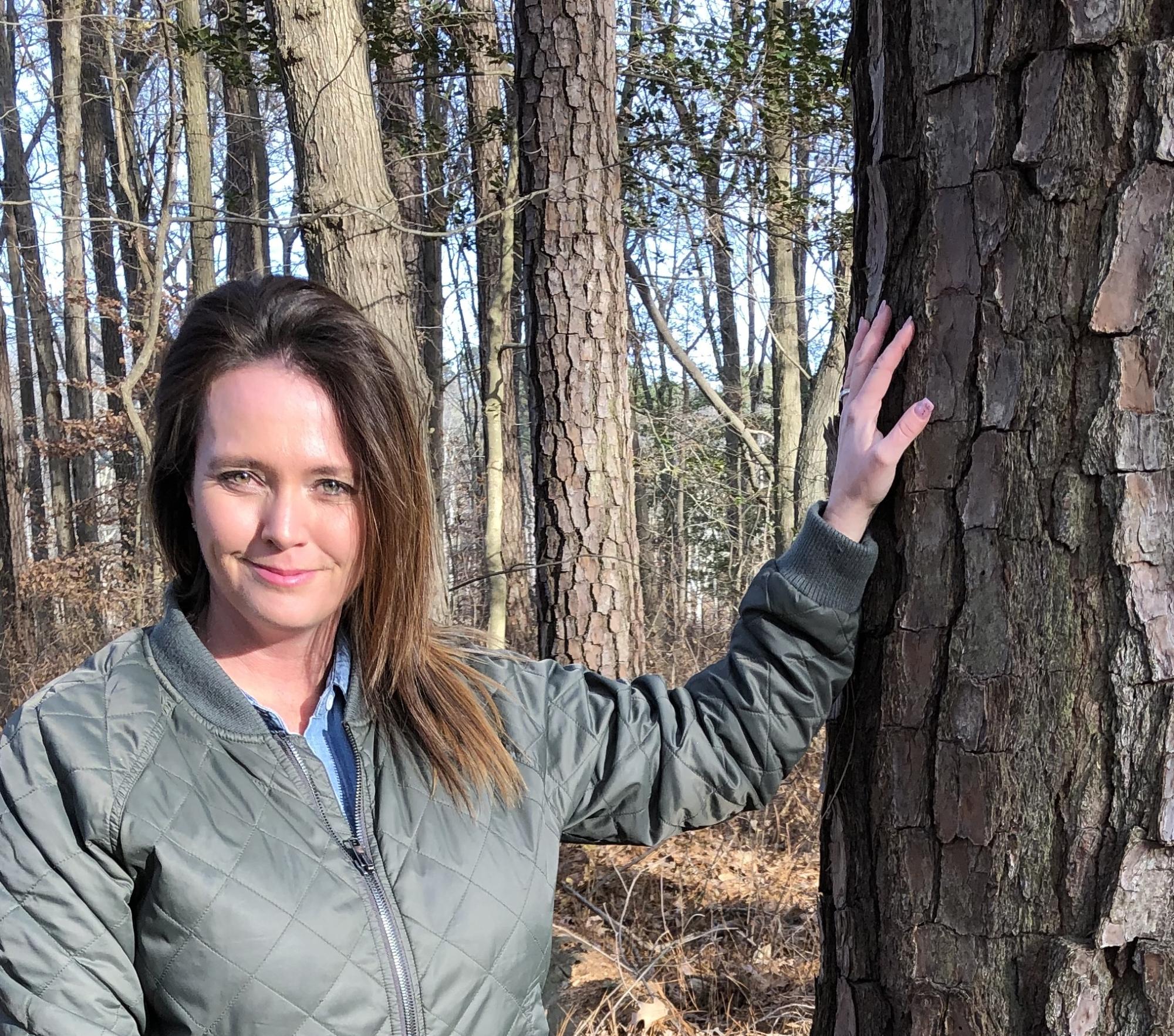
Maryland Forests Association Executive Director Beth Hill joins the Board, bringing more than 25 years of experience in Maryland’s forest products industry, along with a background in land management, forestry, agriculture and natural resource policy.
Before joining MFA in 2018, Beth worked in her family’s business, serving as General Manager and Secretary/Treasurer of Dorchester Lumber, a large Eastern Shore Southern Yellow Pine sawmill. She continues to personally manage several thousand acres of working lands on the Eastern Shore, balancing multiple objectives including timber production, wildlife habitat, conservation, and recreation. She also serves as a Land Advisor with The Land Group, where she works with landowners to achieve their goals through the sale, acquisition, and management of farms and timberland.
As Executive Director of MFA, Beth promotes healthy, sustainable forests, a viable local forest products industry, and the economic and environmental benefits of Maryland’s working lands. She is involved in statewide efforts related to forest markets, wood energy, conservation, and natural resource policy. She serves on the Maryland Sustainable Forestry Council, the Maryland Farm Bureau Environmental Committee, and the Dorchester County Farm Bureau Board. She is also a member of the LEAD Maryland Foundation Board of Trustees and serves as co-chair of its Alumni Committee. Beth is a graduate of LEAD Maryland Class XIII and previously served on the Maryland Agricultural Land Preservation Foundation Board and the Maryland Agriculture Commission. She lives in Linkwood, Maryland.
“I’m excited to join the Harry R. Hughes Center for Agro-Ecology and contribute to its important work supporting Maryland’s agricultural and forestry communities. I believe sound, science-based research is essential to developing thoughtful policies and practical solutions that protect our natural resources while keeping our working lands and the industries they support economically viable. I look forward to bringing my experience in forestry, land management, and natural resource policy to the Center, while learning from the diverse perspectives of its board, researchers, and partners. I’m eager to help advance the Center’s mission of bringing people together to find common ground and build a stronger future for Maryland’s working landscapes.”
The Hughes Center’s two departing members of its Board are Brett Grohsgal, an organic farmer from Southern Maryland, and Joe Hinson, who serves as President of the Maryland Forests Association.
Brett Grohsgal
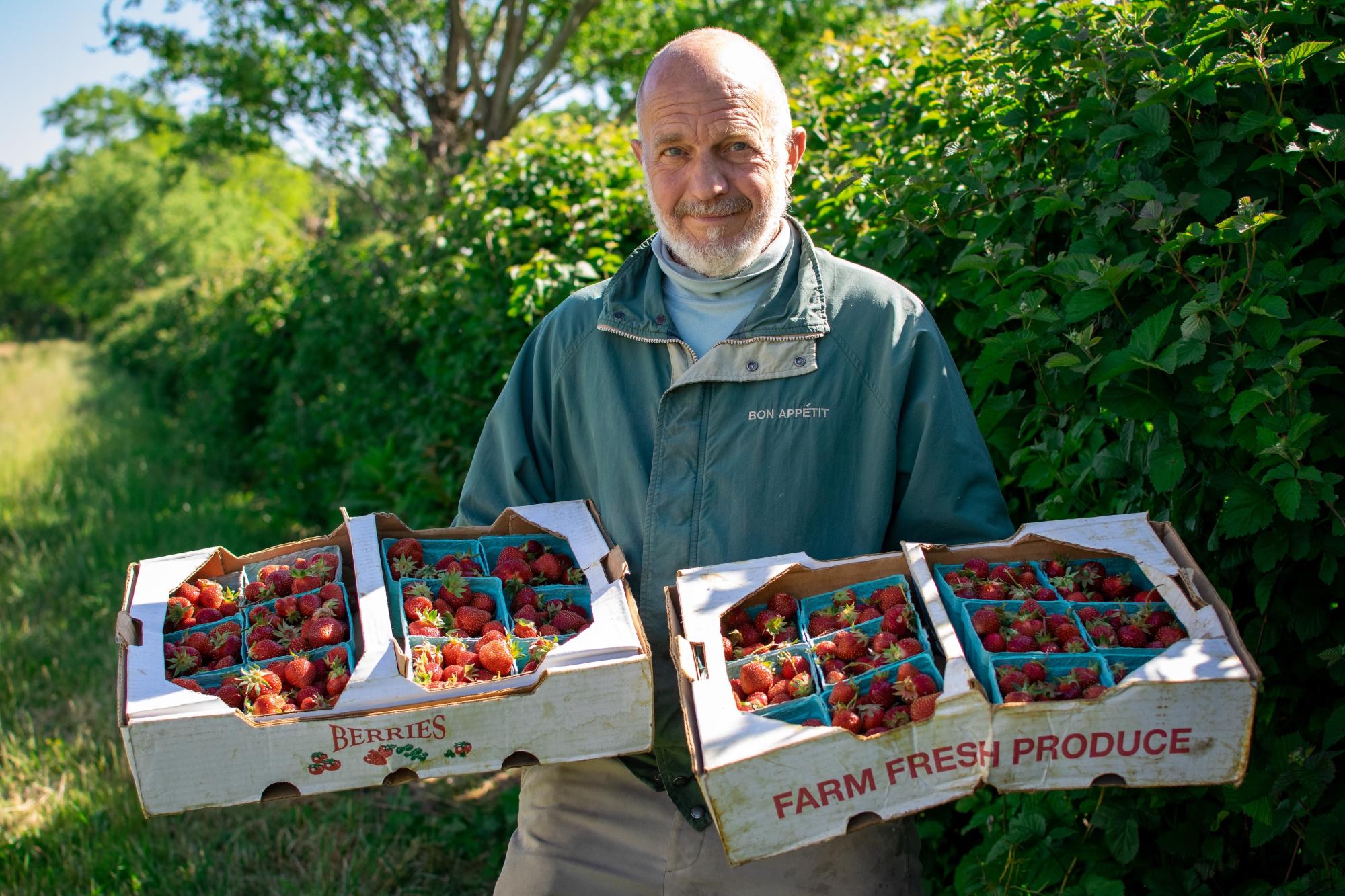 Grohsgal is the owner of Even’ Star Organic Farm, which has been certified since 1998 and markets via community-supported agriculture, wholesale accounts and farmers’ markets. He has a Bachelor's in Botany from UC Berkeley and a Master’s in Soil Science from North Carolina State University. He has published articles for farmers on topics like crop breeding, buying and managing soils, winter cropping and more.
“We appreciate Brett's years of service as a Hughes Center board member. Brett's ability to draw on his farming experience and scientific knowledge brought a unique perspective to the board's discussions on difficult issues. He was always engaged and respectful of his fellow board members and the staff,” Hughes Center Interim Director Nancy Nunn said.
Joe Hinson
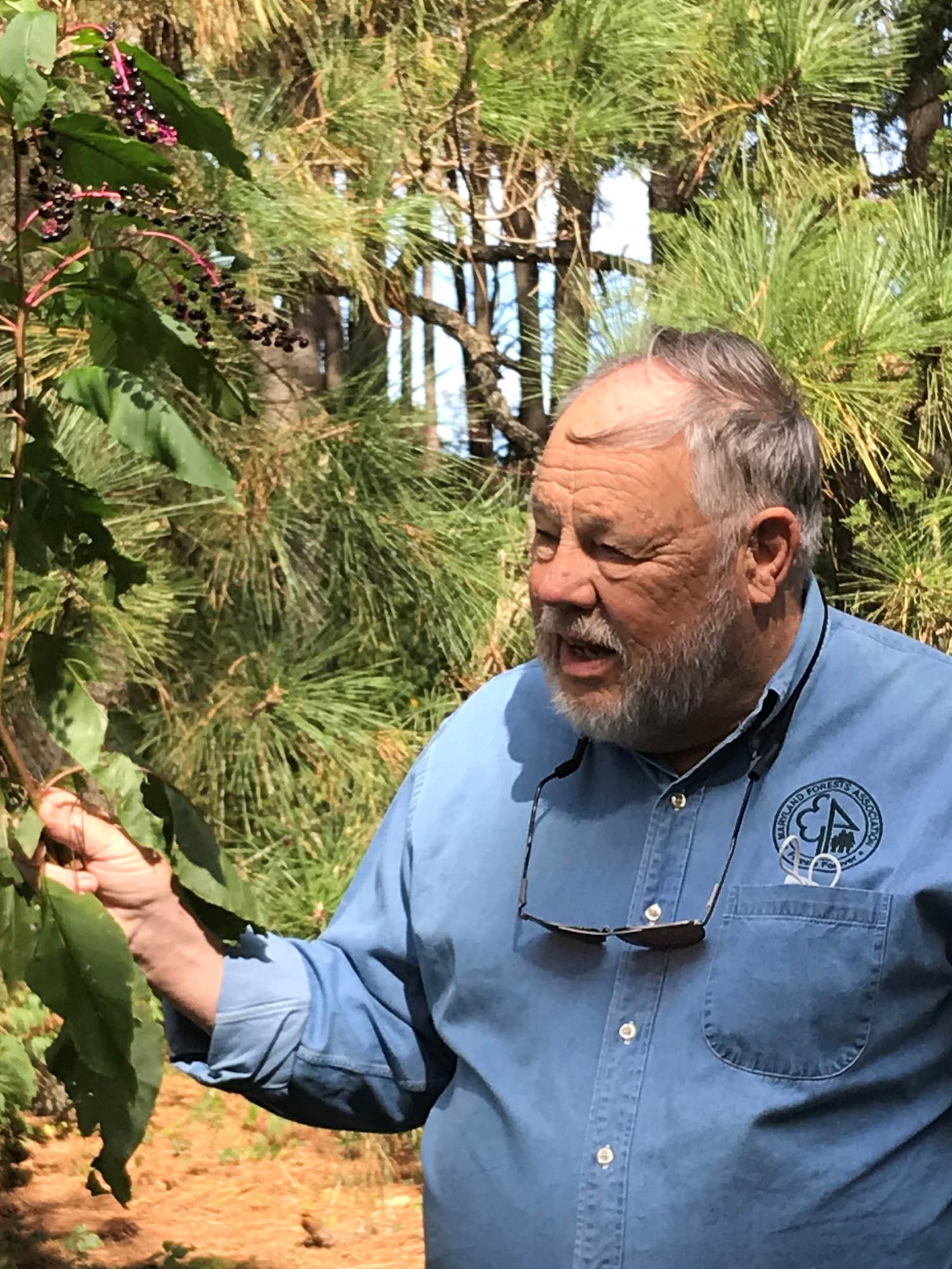
Hinson has had a long and varied career in forestry. He started on the Eastern Shore of Maryland as a land management supervisor for Chesapeake Corporation. From there, he traveled to Washington, D.C., as a lobbyist for the national timber industry specializing in private forestry issues. In 1982, he became Executive Director of the Idaho Forest Industry Council, representing the state's timber industry, a position he held for 15 years. In 1998, he founded Northwest Natural Resource Group, LLC, a consulting firm that has specialized in resolving complex natural resource issues at the highest levels of state and national government. Now back in Maryland, he maintains a “semi-retired” consulting business and serves as president of MFA.
“The Hughes Center thanks Joe for his years of service to the board. Joe provided a voice for the state's forestry industry that was previously lacking at the table,” Nunn said. “We appreciate his willingness to share his expertise and experiences in the forestry realm both in Maryland and elsewhere. We also appreciate him enlisting Beth Hill as a board member to ensure that forestry remains represented on the board.”
Past Blogs
From Hughes Center Intern to Extension Educator: Congratulations to Rachele Franceschi
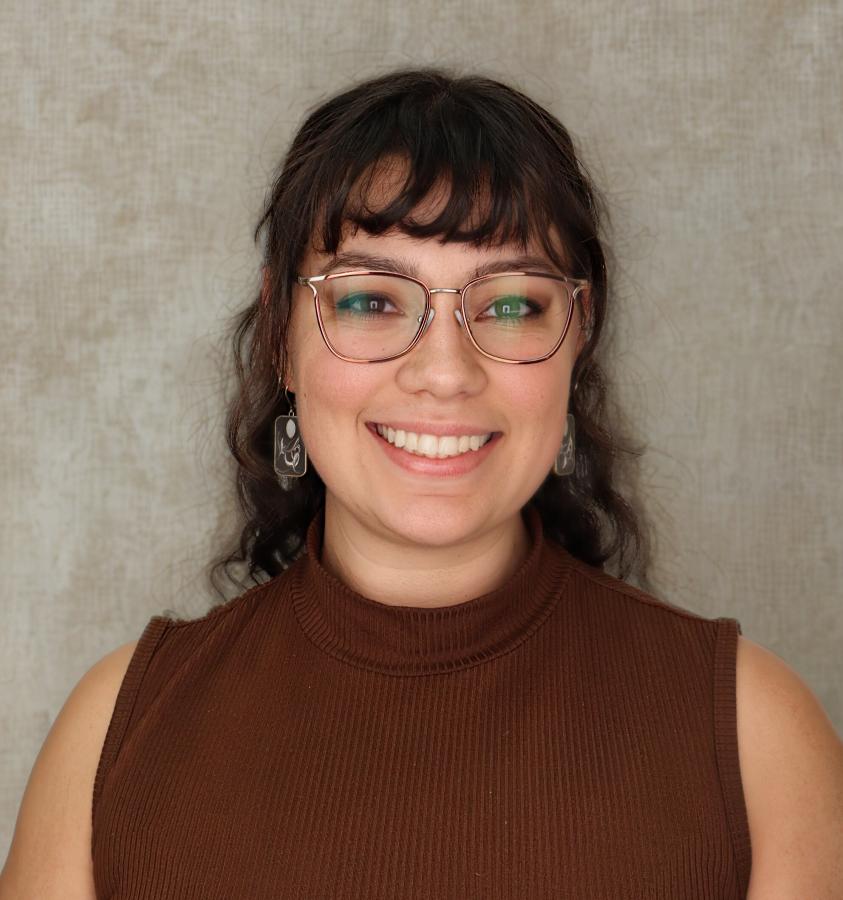
The Hughes Center wishes to congratulate Brinsfield Graduate Intern Rachele Franceschi on achieving her Master of Extension Education degree.
Franceschi started working with the Hughes Center as an undergraduate in animal science at the UMD College of Agriculture and Natural Resources and also shortly later on while pursuing her Master’s Degree.
"Throughout our various projects, Rachele has demonstrated her ability to connect with people and communicate information effectively," Hughes Center Interim Director Nancy Nunn said. "The Center's projects have benefited from her professionalism, thorough research and writing skills. We wish her the best with her career endeavors."
Franceschi grew up in rural Carroll County, participating in the Future Farmers of America in High school. With her father being a soil scientist and her mother an environmental education documentarian, agricultural education was always a natural fit.
“People do think chocolate milk comes from brown cows. People do think food comes packaged and looks identical every time, and when it looks weird, it’s not right or healthy or anything like that. It’s important to always share knowledge and be transparent,” she said.
“Knowledge is such a power and that’s a big driver for me, too. Just because I’m knowledgeable doesn’t mean I actually hold all the power. I should try to share it often and let other people feel knowledgeable and communal in their knowledge and power.”
Franceschi began working with the Hughes Center and UMD AGNR professor and researcher Dr. Stephanie Lansing on a holistic review of Maryland’s Animal Waste Technology Fund, a project funded by the Maryland Department of Agriculture. Rachel then worked with the Hughes Center to help distill information gathered from stakeholders across multiple workshops in support of a project titled Thriving Agricultural Systems in Urbanizing Landscapes, which studied the Chesapeake region as a model for how to ensure thriving agricultural systems in the future as our landscape continues to change.
While a graduate student, Rachele was then recruited to assist in mentoring students in the Hughes Center’s annual Brinsfield Internship Program, which the Center hosts each year in partnership with the UMD Agriculture Law Education Initiative and is funded by the University of Maryland Strategic Partnership: MPowering the State. This summer was her last summer mentoring the Brinsfield interns as she plans to begin her career.
Rachele now aspires to work in Extension in urban agriculture, focusing on the food system, connecting growers with people in need of food, and educating people about where their food comes from.
Rachele said one takeaway from working with the Hughes Center is the importance of making and maintaining connections and of ensuring that scientific research is implemented at the policy level for the benefit of stakeholders affected by it.
“You want research that is more than just experimentation. Who is impacted? Where are we going after all this, and why does this matter in the long run?” she said.
Takeaways from the Second Eastern Shore Food Security Symposium, “Feeding Our Futures, Moving Forward Together”
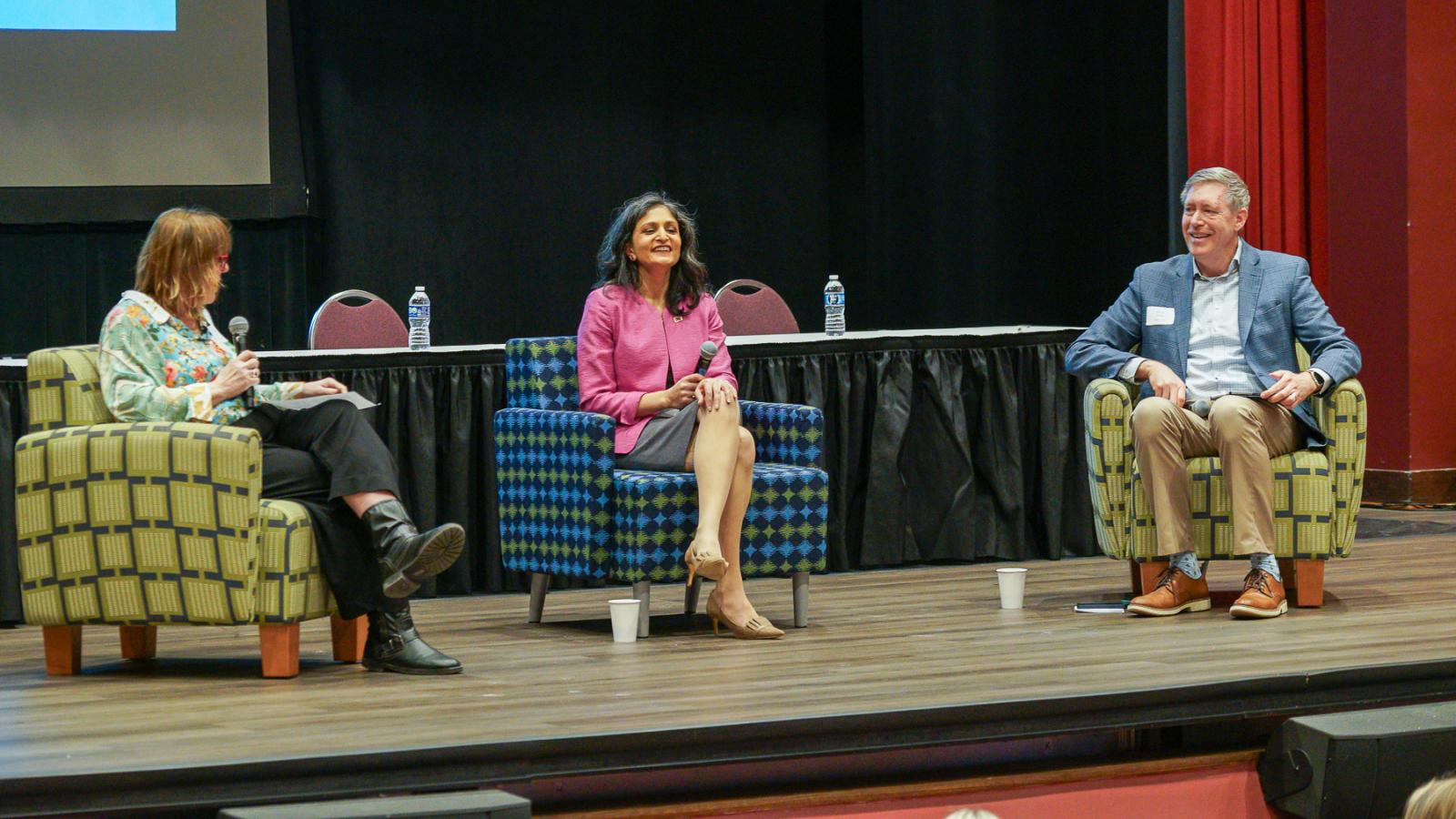
Recent years have brought unprecedented hurdles in the food security space in Maryland. Defined as the ability of everyone to always have access to nutritious food to support a healthy life, food security has faced challenges in recent years, driven by factors such as the COVID-19 pandemic and reduced access to federal food assistance programs.
Maryland Department of Agriculture (MDA) Secretary Kevin Atticks and Maryland Department of Health (MDH) Secretary Dr. Meena Sheshamani joined food advocates a diverse audience including state qand local health systems, county school food supervisors and staff, farmers, Extension agency and nonprofit organizations at the second annual Eastern Shore Food Security Symposium on Friday, March 20, at Chesapeake College in Wye Mills.
The Eastern Shore Food Security Symposium was started in 2025 to connect organizations and leaders committed to improving food access across the region. Organized by the Eastern Shore Food Coalition, the symposium received funding from the Harry R. Hughes Center for Agro-Ecology, No Kid Hungry, and the Mid-Shore Community Foundation. In-kind support for the coalition is provided by the Mid-Shore Health Improvement Coalition. The coalition that organizes the symposium aims to support all sectors of the food system in building a resilient food system on the Eastern Shore. Breakout sessions during the symposium held on March 20 addressed topics ranging from healthy food choices to strengthening community partnerships, capacity building, and procurement.
Takeaways:
Access Remains Fractured: Vulnerable communities or citizens of lesser means still struggle to access nutritious food close to their homes. Atticks said that at MDA, discussions on improving access points for local foods continue.
“The challenge is you can drop these farmers’ markets places, and you can get farmers to come in and to spend their Saturday or their Sunday or their Wednesday afternoon at that market, but then you still have to get those vulnerable communities to the market,” Atticks said.
“You get the food closer to them. But if that food is not resident, if it's not there every day when it's convenient for them, because the bus might not come in Baltimore City, or it may be raining, or a storm is come in, or there are all these reasons why I might not be able to get there; it is frustrating to me that that's kind of the last frontier. Yet, those of us with means can get on a phone right now, and there's Grubhub, Uber Eats in many areas of the state that can deliver whatever I want immediately,” he said.
But there are also access-point issues on the farming side. Farming isn’t known as an easy business to enter, due to barriers such as limited land and expensive equipment. Atticks said there are “thousands” of young farmers coming to MDA for information on starting a farm, and that the agency is also fine-tuning its programs to ensure that new farmers who want to grow food can.
Collaboration and Outreach Is Key: Food insecurity cannot be addressed by individual agencies or groups in a silo. Rather, we should continue to leverage emerging and existing collaborative efforts that work for communities and scale them where appropriate.
Secretaries Atticks and Sheshamani both said that the Governor Moore Administration has directed state agencies to work more collaboratively. Sheshamani said one example is that MDH and MDA have been working together on projects that address issues of hunger, the importance of healthy eating and opportunities to boost the local agricultural economy.
The MDH recently secured $168 million from the federal government for its Rural Health Transformation Program, and one of the pillars of its work is empowering Marylanders to eat for health and supporting local food producers.
“Importantly, how we are using the money is to do things that will support the local agricultural economy. Because it's important not only to provide outreach and education so that people understand how they can eat healthier, but then how do you actually make healthy food available to them?” Sheshamani said. “Local agriculture is a great way to make healthy food available to them, so investing in cold storage for local Maryland farms, investing in food aggregators and food hubs so that you can distribute that local produce and local meat.”
Another example of collaboration between agencies is a bill currently before the legislature that would make it easier for farmers to provide on-site food services.
“Through the communication that the Department of Agriculture had with local farmers that we've had with local farmers, we realized that there were unnecessary bureaucratic hurdles for farmers to be able to provide food services on site, and so our department worked collaboratively to propose a bill that's currently in this legislative session to streamline food licensing for farmers,” she said. “So I think it's a perfect example of how us being able to work collaboratively, not only with each other, but with the community, really enables some of the pragmatic, practical improvements that can help everyone.”
Rural Areas Have Different Needs: Charlotte Davis, executive director of the Rural Maryland Council, also presented at the symposium and said rural areas like Dorchester and Somerset counties are the poorest in the state, and that rural populations are generally older, poorer and sicker than in urban areas. One in two houses on the Eastern Shore are “asset-limited, income-constrained” households, meaning that the families are living paycheck-to-paycheck, she said.
“We know that healthy outcomes are driven by the social determinants of health, economic stability, food insecurity, housing instability, and impact mental and physical health,” Davis said.
Davis said the Rural Maryland Council will help to distribute the funding for the Rural Health Transformation Program to support local food aggregation, food hubs and purchase strategy, to “help support our local farmers but also ensure that our rural Marylanders have access to local, healthy food.”
Learn more about the Rural Health Transformation Program here.
Equipping Urban Farms to Harvest Rainwater
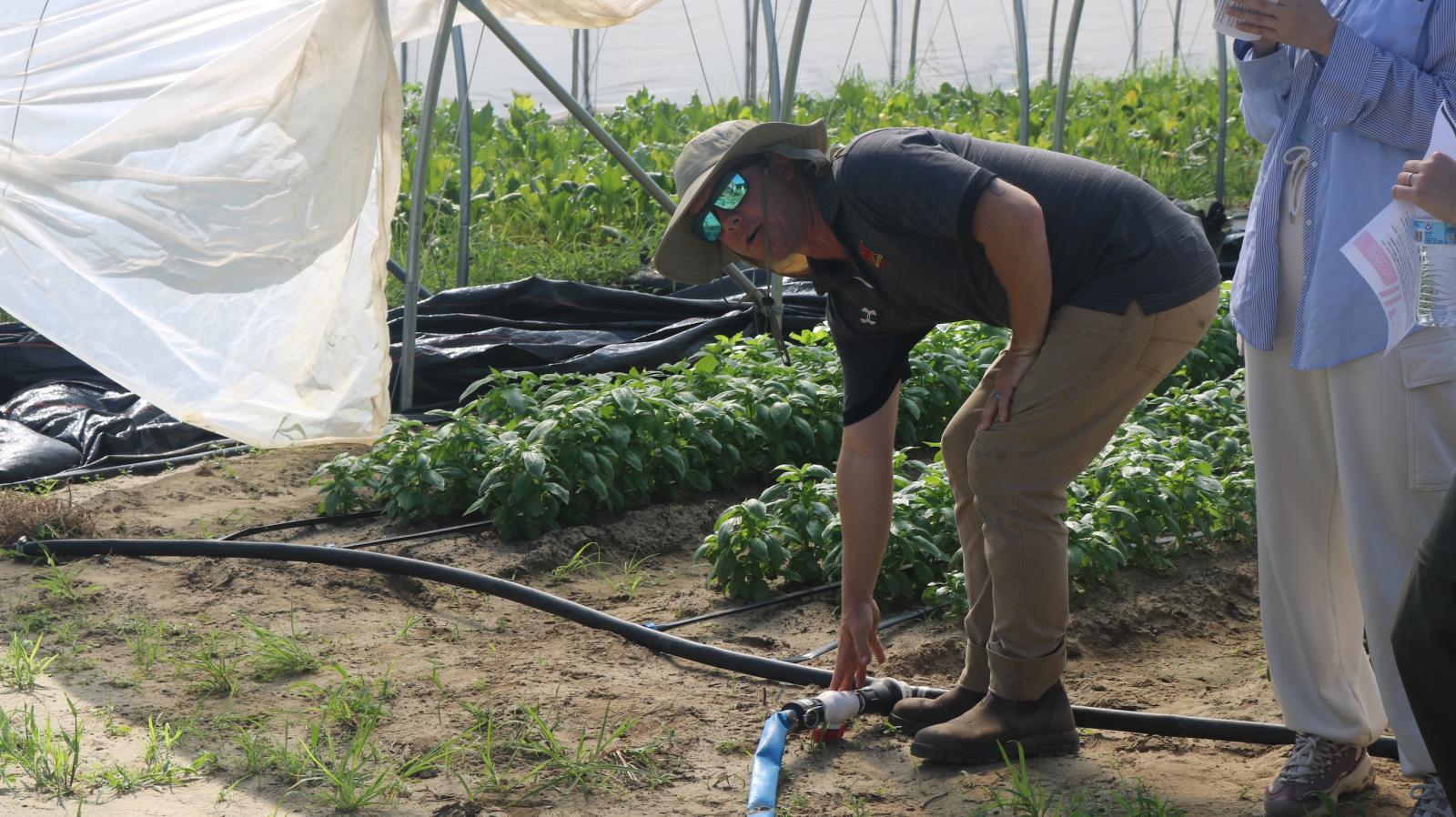
At a hands-on training hosted on June 24 at UMD’s Terp Farm in Upper Marlboro, people came together to explore how to safely harvest, treat, and use rainwater in urban agriculture, protecting both crops and consumers.
The project, headed by Rachel Rosenberg Goldstein, Assistant Professor at the UMD School of Public Health, explores how to integrate rainwater harvesting into urban agriculture safely. Rachel and the project’s research partners gathered people in the farming, nonprofit and academic community for a training session on incorporating urban rainwater harvesting and water treatment on their farms.
Urban agriculture is expanding across Maryland, but climate change makes rainfall less predictable. Farmers are facing longer stretches of drought punctuated by heavy downpours, making water access both limited and costly, especially in cities.
This project partly seeks to answer how small urban farms can create their own rainwater collection systems so excess rainfall can be stored and used in times of drought. Rainwater collection can result in possible biohazards – water flowing from roofs can bring contaminants like bird droppings, debris and other unwanted substances into the collected water.
Concerns arise regarding the quality of the collected water when left untreated and used to water edible plants like vegetables and herbs and whether bacteria within untreated water could lead to foodborne illnesses. To offset this potential threat, Goldstein and her team are actively testing the success of different treatment and filtering methods versus using untreated water.
The training participants got a hands-on view of the existing rainwater collection systems and irrigation systems on the Terp Farm that were used in the project, as well as information on what was used in their water treatment and filtering processes. They also got to practice installing drip irrigation and watch a demonstration of a collection system from a rooftop.
Trainings like these help because “farmers like to build their own stuff and there are only so many contractors that work with small urban farms,” said Neith Little, a UMD Extension Agent specializing in urban agriculture who is partnering in the research on this project. This event marked a step in equipping Maryland’s urban farmers with practical tools and science-backed knowledge to manage and use rainwater sustainably.
Partners on this project include the University of Maryland School of Public Health, UMD Center for Food Safety and Security Systems, UMD Environmental Finance Center, UMD Extension, the Maryland Agricultural Experiment Station Upper Marlboro Facility, and Plantation Park Heights Urban Farm. The Hughes Center partially funds this study.
New Research Helps Remote Setters Produce Oysters More Efficiently
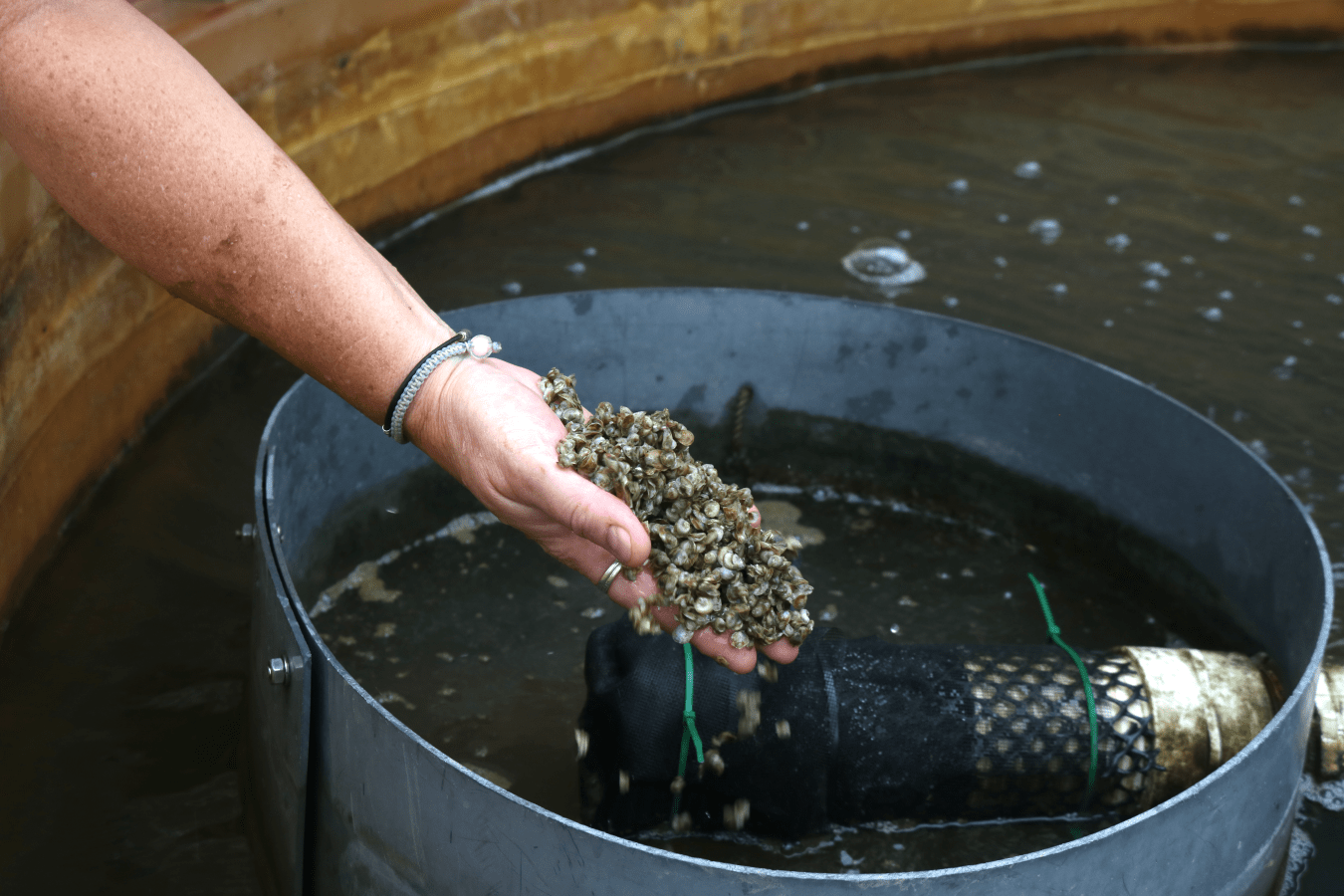
Every year, billions of oysters are planted in Maryland’s Chesapeake Bay. Most begin their lives in a hatchery and go through a remote setting process where microscopic oyster larvae attach to cleaned oyster shells before the spat on shell are placed on Bay bottom to grow.
Spat on shell producers have long known that the process is unpredictable. Some shells end up with more than 50 oysters attached, while others get none. In addition, larvae settle heavier on shells at the bottom of tanks compared to shells in the top and middle. Because producing one million spat on shell costs $3,500–$5,000 in materials and labor, that variability can become expensive and it can also affect oyster survival once planted in the Bay.
A recent applied research project set out to answer a deceptively basic question: where do oyster larvae settle when conducting remote setting — and can we improve it?
A closer look inside the tank
Funded by the Hughes Center for Agro-Ecology, research was conducted by Alex Golding with Ferry Cove Shellfish and Dr. Jill Bible with Washington College.
Researchers studied large “remote setting” tanks at the Ferry Cove Oyster Hatchery. Each tank holds containers filled with oyster shell. Mature oyster larvae are introduced and given several days to settle, distribute around the tank and transform into juvenile oyster spat.
To understand settlement patterns, scientists placed labeled sample shells throughout the tanks — at the top, middle, and bottom — and tracked how many oyster spat attached in each location.
They also tested two factors that remote setters can easily control: light (covered tanks vs. uncovered tanks) and aeration (high air flow vs. low air flow).
What they found
First, researchers confirmed something that hatchery staff and spat-on-shell producers had suspected for years: oyster larvae strongly prefer the bottom of the tank.
Researchers found that there are more oysters attached to shells at the bottom than to shells in the middle or top. Larvae naturally sink before setting, which helps explain the pattern — but the team wanted to know if traditional setting practices were making it worse, and what could be done to distribute it more evenly.
Light did not matter
Covering tanks with tarps — to simulate complete darkness, experienced at the bottom of the Bay — did not change where oysters settled. Larvae still concentrated at the bottom.
That finding is still useful. Covered tanks dramatically reduced biofouling (organisms growing inside the tank), meaning less cleaning was required between sets resulting in lower labor costs for growers.
Aeration did matter
Air flow, however, made a difference. In a high aeration environment, oysters still clustered at the bottom. However, in a low aeration environment, oyster larvae distributed much more evenly throughout the tank. The result was a more uniform vertical settlement of larvae across shells, on the top, middle, and bottom.
Why this matters
When too many oysters grow on the same shell, they compete for space and resources, reducing survival and harvest potential. Meanwhile, empty shells represent wasted resources.
By simply adjusting aeration levels, growers or producers may be able to:
- improve survival rates.
- increase harvest production.
- reduce material costs.
- enhance nutrient removal benefits from oysters in the Bay.
Even a modest improvement could save growers up to 20% in production costs.
What comes next?
This is the first time scientists have studied spat distribution in full-scale remote setting tanks, not just laboratory systems. The next step is repeating the trials and testing at other remote setting locations to confirm the results across different tank designs. The researchers will also continue to test other factors that impact oyster spat distribution with funding from the Hughes Center for Agro-Ecology.
Read the project’s final report here.
What is Needed to Ensure a Thriving Agricultural System in the Chesapeake Bay Region?
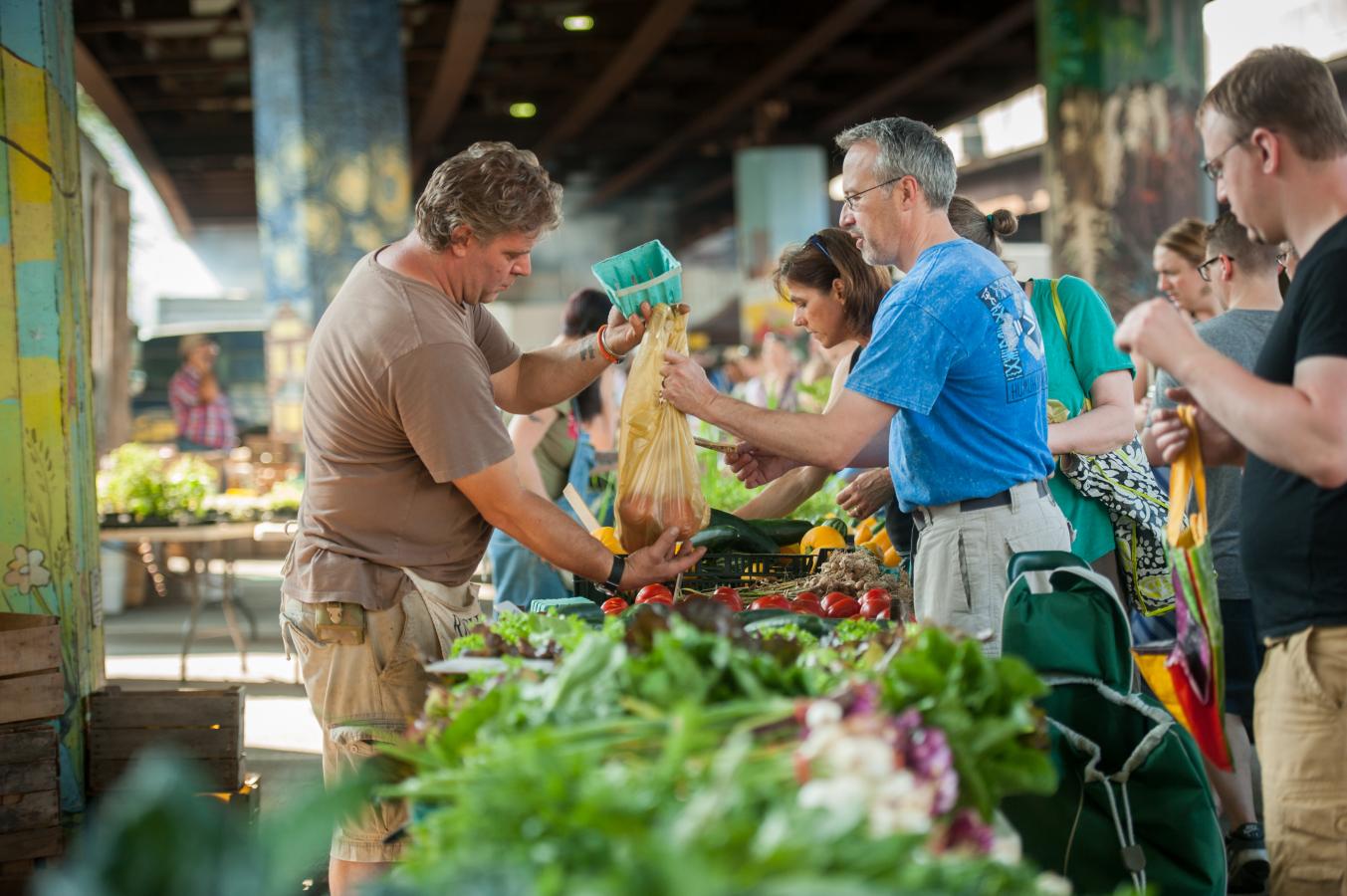
Farms across the Chesapeake Bay region help feed communities, preserve open space, support local economies and shape the identity of both rural towns and growing urban areas. But as development pressures, climate change and shifting consumer demands reshape the landscape, people are asking an important question: What does it take for agriculture to thrive in the future?
After more than six years of research, collaboration and conversations with farmers, conservation leaders, planners and community stakeholders, the project called Thriving Agricultural Systems in Urbanized Landscapes has released a final report that is now available to the public. Funded through the USDA National Institute of Food and Agriculture, the $9 million initiative brought together experts from across the Chesapeake Bay Watershed to explore how agriculture can remain both profitable and environmentally sustainable in rapidly changing regions.
The project was led by a collaborative team from Penn State, the University of Maryland, the University of Maryland Center for Environmental Science, Virginia Tech University, George Washington University, Ohio State University, Utah State University and the Stroud Water Research Center.
The Hughes Center’s staff was engaged on several task teams and also served as a conduit with stakeholders of the research. Throughout the project, the Hughes Center staff organized workshops in Pennsylvania, Virginia and Maryland, which provided the project team and a broad stakeholder audience to discuss the present landscape, issues to be addressed and the project's ongoing work.
What makes the report especially valuable is its focus on implementable strategies. Farmers are navigating tighter margins and unpredictable weather, while communities and policymakers are seeking practical solutions that work on the ground.
The report highlights real-world tactics and tools designed to help farmers improve crop yields, reduce nutrient runoff and strengthen long-term profitability. It also explores how stronger local food systems, smarter land-use planning and targeted conservation investments can support both agriculture and surrounding communities.
Researchers worked closely with stakeholders throughout the project, holding workshops and listening sessions across the watershed to better understand the challenges facing agriculture today, including development pressures, labor shortages, water quality concerns and changing consumer preferences.
Among the report’s findings are insights into how climate change could affect crop yields, how solar development may compete with farmland, and why consumers in different communities value local food differently. The project also examined how evolving dietary trends and new technologies could reshape agriculture in the decades ahead.
Ultimately, the report paints a picture of a future in which farms can thrive within or adjacent to urban areas.
More information about this project can be found at thrivingag.org.